La trappola dei sacrifici e la ricerca di un senso

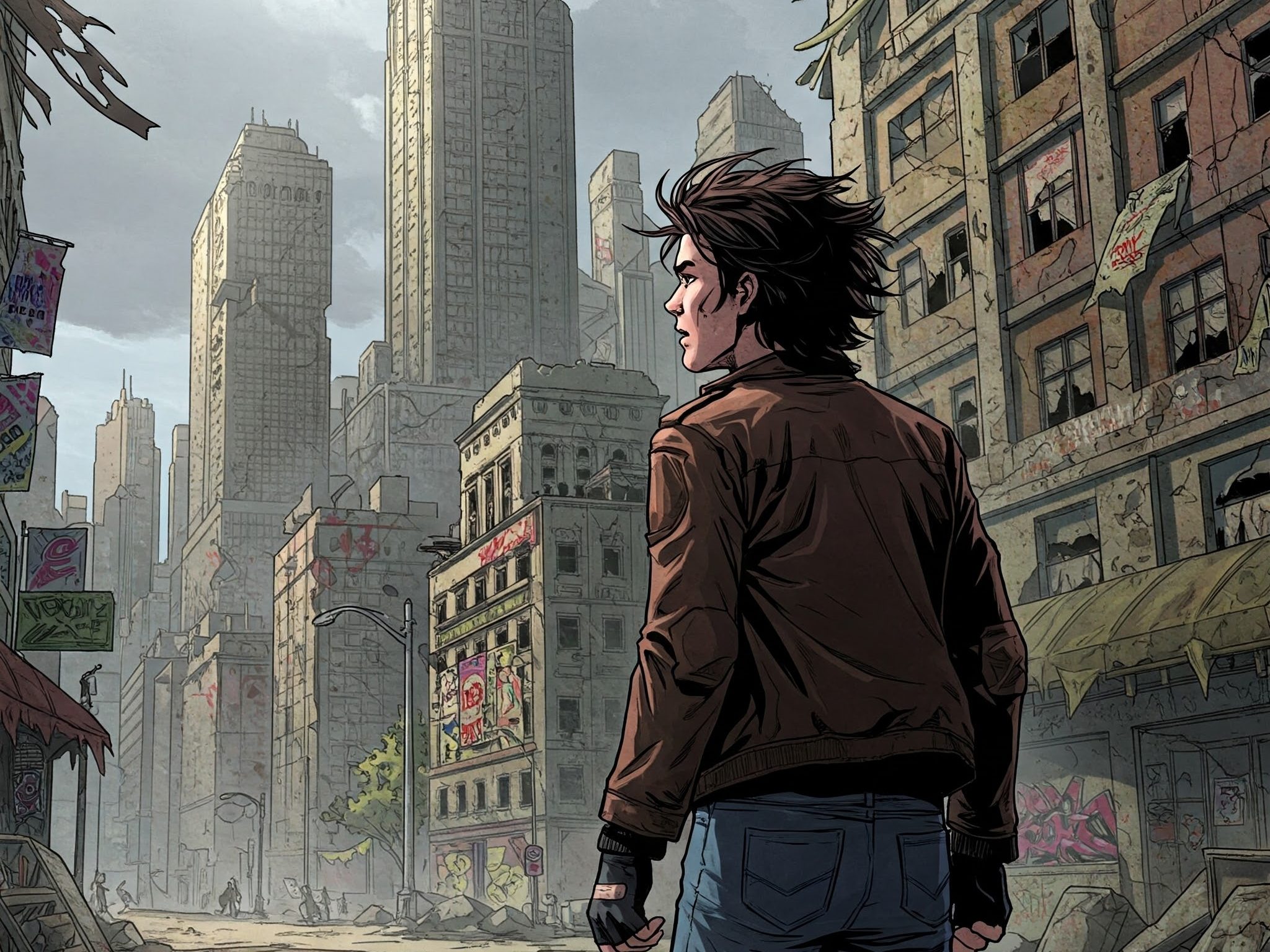
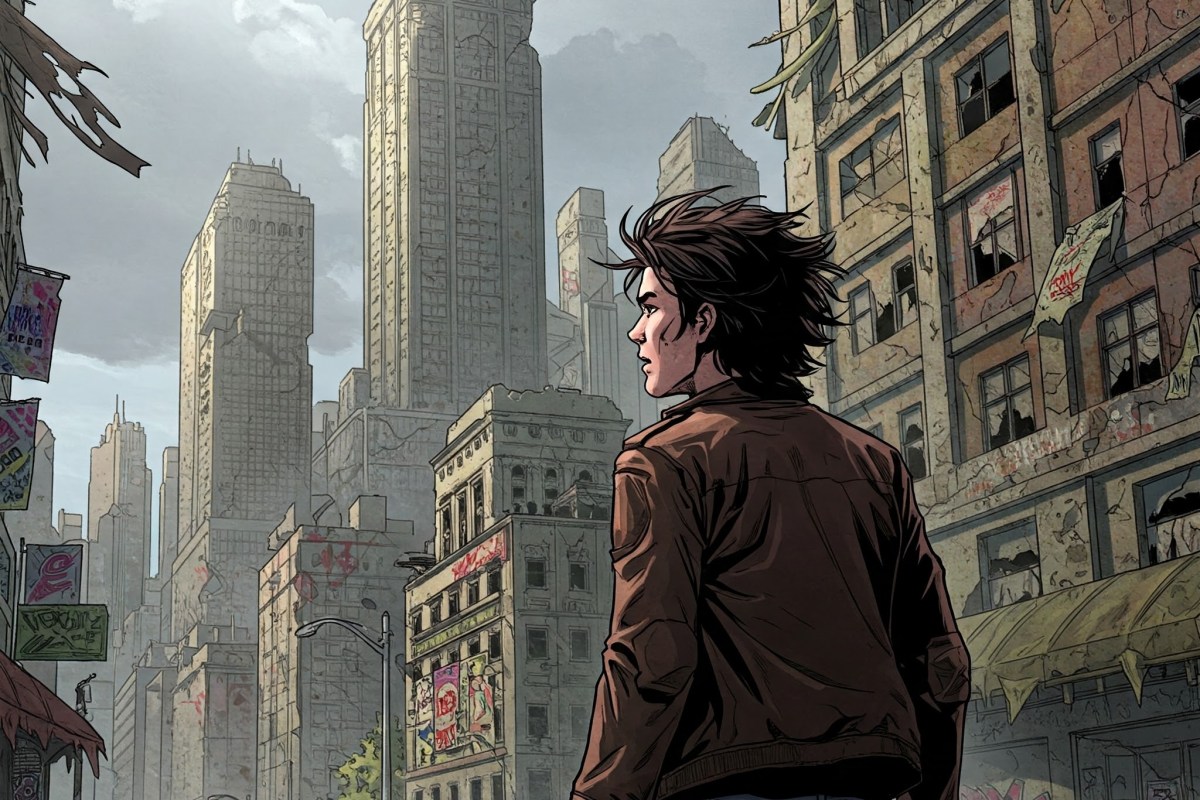
Un ragazzo osserva una città in rovina, simbolo di disillusione lavorativa.

Salvagenti per animi in tempesta

[ENG] How I Manage My Money

What is the F.I.R.E. Movement??

Please forgive any mistakes in my English—I’m still learning and appreciate your understanding.

This article begins in a completely conventional and expected way, with a definition of what the title announces.

F.I.R.E. is an acronym that stands for “Financial Independence, Retire Early,” a movement that advocates saving as much as possible (I’ll delve deeper into this; it’s not as absolute as it might seem, as you’ll read in a few lines) in order to stop working at a relatively young age. Breaking it down into phases, it involves creating a spending plan, analyzing all the monthly expenses, and cutting unnecessary costs. By doing so, it will be possible (and necessary) to save significantly, invest the savings, primarily in long-term plans, and – when the invested amount reaches a reasonable level (again, I’ll go into more detail in a few lines) – you can stop working actively.

How I Started

In my personal case, it always begins with setting up an Excel or Google Sheet (or whatever tool you prefer, as long as it allows for quick calculations and can be updated in a relatively short time) where you can record all expenses incurred up to that point.

For example: On June 10, 2022, I decided to start tracking my expenses to avoid waste. I logged into my bank’s website and, under the transaction history section, I found all the transactions that occurred from January 1, 2022, to June 10, 2022. I then set up a Google Sheet where I listed the types of expenses in the rows (e.g., coffee shop, restaurant, entertainment, shopping, etc.), and the months in the columns. The next step was to enter how much I spent each month under the corresponding category. Once this was done (it took me about two hours since I had already prepared the file beforehand), I had a clear monthly breakdown for each expense category. At this point, identifying unnecessary expenses and waste was incredibly easy. Once you reach this stage (referred to as “Money Awareness”), cutting the superfluous and choosing to forgo certain expenses becomes a purely subjective and personal decision. However, the awareness this exercise provides offers a benefit that has no monetary value: the power of choice. [My advice is always to make sure you feel comfortable; there’s no point in cutting out the TV, computer, and other items to be financially satisfied but personally unfulfilled—the challenge is finding a balance between what you need to feel good and what you can eliminate without too much discomfort.] Once you have prepared your expense tracking sheet, you will see a clear monthly amount that, after eliminating the superfluous, is needed to live a balanced life (calculate the average total monthly expense). This will be your reference budget. You have just created a BUDGETING plan, which you will need to adhere to almost scrupulously if you want tangible results (at least for the first few months, to allow your mind and lifestyle to get used to the idea of having a limit that didn’t exist before). Here’s an example:

Step 1: The beginning of my career and first earnings

Let’s consider “mediocre”—just for the sake of having a reference point—a monthly salary of €1,000 in Italy in 2023. In this case, in my opinion, it’s still necessary to set up a spending plan to minimize expenses. My entry into the job market wasn’t ideal: I learned the hard way that a recent graduate in Italy earns between €600 and €950 per month. The first firm I worked for offered me a gross monthly salary of €950 (along with the offer, I had to open a VAT number) for eleven months; August, of course, meant “vacation” but also “office closed,” and who pays someone who isn’t coming into the office to work? Nonetheless, it was enough for me to live in a small, cold attic apartment in a big city, buy the essentials, and get by during my first year. Later, I switched firms, got a raise, moved to a better apartment, and things improved. It’s crucial, especially with low incomes, to understand where your money goes. In a situation of low earnings, such as in your early twenties, it’s essential to create personal value that the market will pay for (and hopefully pay well). Learning skills, getting training, and expanding your work experience are necessary and extremely important if you don’t have a substantial income. Acquiring a soft skill is crucial in this day and age, even just to earn a moderate income; the demand for specific and complex knowledge is the foundation of today’s job market—just think of how many competencies and certifications are required to even apply for most jobs. However, even without an acceptable income, it’s important to understand that the principle behind the F.I.R.E. movement is incredibly useful for learning how to manage your finances. It’s astonishing that there isn’t mandatory basic education on financial management nowadays, and even more astonishing how much ignorance there is in this field. Most people have no idea where the money they sweat for five (or even six) days a week goes, trading precious time for something they don’t even know what happens to; the only certainty is that by the end of the month, the fruit of that labor is completely gone. For this reason, I consider it imperative to track my expenses and be aware of what I’m buying with my time.

Step 2: Maximizing

I always enjoy challenging myself. There have been times in my life when I’ve literally thrown money away for the sake of social proof, which, as I later realized, was pointless. I’ve also gone through periods where I tried to spend as little as possible, managing my finances almost obsessively, and I was surprised to discover just how accustomed we are to the superfluous in our daily lives. I refer to the periods when I test my spending limits as being “ON FIRE.” During these periods, I aim to reduce costs and maximize income as much as possible; in the past, I’ve asked for raises or tried to maximize the earnings from a side hustle. It can be useful to work overtime or perhaps learn a new skill; recently, I’ve been focusing on acquiring the knowledge needed to become a Certified Public Accountant, for example. At the same time, I usually lower my lifestyle standards, avoid buying coffee at the café (leading to a catastrophic decline in my social proof, but that’s life), avoid restaurants, look for cheaper alternatives to Spotify, seek better deals for electricity and gas—in short, I “tighten the belt.” In particular, I never would have noticed that I was spending about €300 each month on cafés and restaurants, which can easily be avoided for a period of time; taking this opportunity, I also quit drinking coffee (current streak: two months and seventeen days). It’s amusing to realize that everyone drinks coffee at the café to “feel awake” without ever trying to go without it for a few weeks; since I quit, aside from the first week of incessant headaches, I feel much more alert and active. I’m still only twenty-eight and not yet fully settled on my future, so the only thing I can do is accumulate, without a defined goal, but for two main purposes:

  1. Investing a significant amount long-term to free myself from complete dependence on work.
  2. Creating an ever-growing cushion to handle daily crises or negative events;

Step 3: Protection and Investment

The first piece of advice I would give is to create an emergency “cushion”; personally, I consider it necessary to accumulate an amount in your bank account equivalent to at least four months of expenses for your lifestyle. For example, if your monthly expenses that keep you comfortable are €1,000, you should aim to build a cushion of at least €4,000. Some authors suggest six to eight months, while other schools of thought (more “YOLO”-oriented) suggest two months. I feel “safe” with four months: this fund serves as a “lifesaver” in case of unexpected expenses (e.g., an unexpected cavity, hospital stay, broken washing machine, etc.). It’s a good practice to increase the cushion year by year to combat inflation: if your personal lifestyle costs €1,000 per month in the initial reference year, you can accumulate a minimum cushion of €4,000, but if after a few years your lifestyle costs increase to €2,000 per month, the cushion should be increased to €8,000 (it seems obvious, but it isn’t). Once you’ve accumulated your emergency cushion, you can finally focus on investments. In my personal experience, after surpassing a threshold I consider important, I sought the help of an independent advisor, and together we created an optimal portfolio. This choice is very subjective. Entrusting your assets to a third party definitely has its pros and cons; here are some that I’ve identified (but there are certainly many more):

PROS

  • From the advisor’s perspective, managing someone else’s wealth ensures decisions are made without emotional bias, leading to objective investments.
  • A second perspective can make a real difference; often, a self-taught individual’s view is shortsighted and limited to the content they were trained on. A second opinion can expand the range of choices and knowledge.
  • Having an advisor will certainly provide constant updates on your financial situation.

CONS

  • Any advisor comes at a cost. The market offers both more expensive and less expensive advisors, but the cost doesn’t necessarily correlate with expertise. Some advisors charge a fee based on a percentage of the invested amount. In my opinion, the range worth considering is between 0% (unrealistically low) and 1%. In this model, the advisor is incentivized to maximize investment profits because they will receive a higher fee as a result. Other advisors prefer a fixed payment method, unrelated to the value of the investment; in this case, it’s unclear what their incentive is to increase client profits (there’s an underlying but important component here: “good faith”). If you have no knowledge of investing and want to start learning, I recommend reading “The Intelligent Investor” by Benjamin Graham (unfortunately, Amazon doesn’t pay me any commission for this recommendation).

Step 4. Ongoing.

P.S. None of the parts of this article should be considered financial advice, even though there’s no specific detail about any product: it’s simply the story of my experience with investments.

P.P.S. I recommend finding a balance between your personal and professional life, where you can earn well but also ensure peace of mind (or whatever else will be clarified later). This is a separate issue that is particularly close to my heart, and I’ll write an article about it in the future.

Which step are you on? Let’s discuss in the comments.

Incubi vestiti da sogni

Stamattina sono stato svegliato da un incubo.
Non oso nemmeno contare quante altre volte mi sia capitato tuttavia, questa è stata la prima volta che l’incubo in questione aveva le sembianze di un bellissimo sogno.
Proverò, fino a dove la mia capacità mnemonica lo consenta, a ripercorrere la vicenda.
I tre protagonisti – io, la mia compagna, l’amica di famiglia – ogni tre mesi, puntualmente, prenotavamo un viaggio. Era una specie di rituale, di quelle attività di routine che, a forza di ripeterle, si imprimono dentro diventando un fulcro, una certezza irrinunciabile.
Il mio sogno inizia così, passeggiando nel cortile di casa, parlando del solito viaggio.
L’amica di famiglia, timidamente, ci comunica che questa volta non sarà presente; con sgomento chiediamo spiegazioni.
Spezzare una routine che si protrae da anni è un gesto quasi sacrilego, impensabile finché non si manifesta.

“Sono troppo vecchia, non ho le forze per viaggiare ancora”.

Se la prima notizia mi aveva lasciato incredulo, la seconda mi aveva scavato una voragine da qualche parte nel mio corpo fatuo di personaggio sognato.
In cerca di un appiglio, mi sono rivolto alla mia compagna, chiedendole quanti anni avesse lei stessa.

“Che significa, quanti anni credi che abbia? Ne ho settantasei, scemo”.

Non potevo crederci. Avevo ventanni anni fino a pochi istanti prima e adesso, facendo l’elementare esercizio di sommare la differenza dei miei anni rispetto a quelli della mia compagna, ai suoi settatasei anni, ottenevo ottantuno. Ottantun’anni. Ero poco più di un ottantenne.
Quando era scivolato via tutto quel tempo?
Possibile non me ne fossi accorto?
Era un periodo florido, meravigliosamente equilibrato, sereno sotto ogni aspetto e non avendo altre distrazioni, mi sarei sicuramente accorto di quel nefasto trascorrere…
Eppure forse per questo non avevo notato quella corsa sfrenata della vita intorno a noi: ero fin troppo felice per pensare a qualcosa che non rientrasse in quel quadro fatato.
E ho avvertito una sensazione che mai prima di allora avevo provato.
Era come se fossi felice, integralmente espresso, realizzato in ogni velleità, e al tempo stesso avvilito, immerso nell’angoscia più cupa, avvolto in una desolazione inconsolabile.
Ho sperimentato pienamente, avendone solo pregustato piccoli bocconi durante gli anni, la disumana sensazione di essere inconsolabilmente soli.
Niente mi era mai appartenuto davvero, niente aveva giovato veramente alla persona che credevo di essere; avrei dovuto, tra qualche breve tempo, abbandonare ogni cosa per addentrarmi nell’ultimo, ignoto, viaggio.

Il passare del tempo ha da sempre indossato le vesti della mia più grande paura.

Al risveglio ero triste, sconsolato.
Ho pianto, e dopo ho pianto ancora.
Vorrei poter scrivere che sono stato meglio dopo averlo fatto, ma non mi sono ripreso ancora del tutto: so che quel momento, infine, arriverà.

Forse, in un modo del tutto confuso e insano, il mio inconscio sta continuando a imboccarmi di quei piccoli morsi di veleno per permettermi di arrivare a quel giorno futuro con l’immunità necessaria ad assorbirne l’urto.
Ma mi chiedo se un corpo fatto di carne possa essere mai capace di accettare che la vita rappresenta il nostro personale libro, in cui abbiamo superato le pagine in cui si nasce e teniamo già in mano quelle in cui si muore.

I frammenti d’esistenza formano mosaici

Venerdì scorso siamo partiti con lo stomaco totalmente vuoto.
Erano più o meno le tre del pomeriggio quando abbiamo finito di caricare i bagagli in auto e, finalmente, siamo partiti.

La prima tappa è stata Fiesole, un Comune che conta poco più di diecimila abitanti e che proprio venerdì sera avrebbe ospitato un attore-scrittore di cui ho ascoltato e letto praticamente tutto. Il monologo avrebbe avuto come tema l’opera dell’Orlando Furioso, ma stento a imbrigliare lo spettacolo a cui abbiamo assistito nelle maglie di un unico argomento.

Ma è giusto – e doveroso – fare un passo indietro.

Cinque ore e quaranta minuti per arrivare nel paese di Fiesole.
Trascorso il tempo necessario e non senza qualche ritardo sulla tabella di marcia, giungiamo a destinazione. Ancora una volta, ci sono volute mille manovre per districarsi in quel dedalo di vetture poco meno che serrate, due sorsi d’acqua prima di chiudere lo sportello e un’affannosa corsa in salita per permetterci di arrivare puntuali nel luogo dello spettacolo.
Erano le nove e mezzo.
L’anfiteatro romano che gentilmente si offriva di ospitare l’attore era estasiante.
I nostri due posti in prima fila lo erano altrettanto.
L’oratore è stato, per sfruttare un eufemismo, fenomenale.

L’Orlando Furioso non si presta a farsi comprendere immediatamente; eppure se assaporato, chiaramente compreso, assaggiato boccone dopo boccone, annusato fino all’ultimo grumo vitale, manifesta tutta la sua possenza.
Finito lo spettacolo, ho chiesto una dedica su quattro libri dell’autore che avevo divorato poco tempo prima.
Sono perfettamente consapevole che un attore, a mezzanotte passata, dopo due ore di spettacolo pregne di fatica, possa aver accumulato una buona dose di stanchezza, tuttavia la questione della dedica breve – “A Giuseppe, *firma*” non mi va proprio giù.
Al prossimo spettacolo al quale assisterò, chiederò una frase di senso compiuto.
Che ci sia un verbo, o almeno un soggetto.
Da Fiesole ci siamo spostati a Firenze, dove ci aspettava l’hotel e, infine, un comodo letto.

Alle otto del mattino, il ronzio della sveglia si è spinto sino alle nostre orecchie, insistendo con foga affinché ci svegliassimo.
Mezz’ora dopo lo abbiamo accontentato.
I trascorsi in cui ho ricoperto la figura del palestrato, trascinano dei lasciti che mi impongono di scegliere sempre abbondanti proteine e carboidrati per colazione; così, con quel poco di inciviltà di cui mi sforzo di essere capace, ho sottratto al buffet almeno cinque fette di tacchino e lo stesso numero di fette di pane. Ho accompagnato il banchetto, come di consueto, con un caffè addolcito da mezza busta di zucchero.
Sarà stata l’atmosfera fiorentina capace di svegliare sensi che solitamente teniamo sopiti oppure, più semplicemente, l’evasione del viaggio, però certamente ci sentivamo avvolti da una coperta d’amore. Più guardavo i suoi occhi, i fiori che le ricoprivano il vestitino azzurro, le sue espressioni facciali, gli ornamenti che amava portare, più mi sentivo stretto in quell’abbraccio che nasceva con un’ipocentro profondo, si faceva strada docile tra le viscere per poi sgorgare in superficie e finire per inglobarmi totalmente.
Ero inebriato.
Abbiamo preso due biglietti per il Museo degli Uffizi; tappa d’obbligo.
Non sono mai stato amante dei dipinti, ma le sculture mi affascinano da sempre; passammo molto più tempo tra i corridoi affollati da sagome bellissime appartenenti ad un’altra epoca; quelle persone stupende erano state irrimediabilmente vestite di marmo o di bronzo, tenute al riparo dai morsi del tempo.
E mentre percorrevo quelle maschere di storie ormai perdute, risentivo quell’angoscia che mi appartiene e che mi graffia ogni volta che cerco di scavare dentro di me. Volontariamente non mi soffermerò adesso a parlarne, tuttavia quella terribile sensazione mi ha accompagnato per tutto il sabato pomeriggio.


Domenica è stata caotica.
Descrivere i discorsi che ci hanno cullato in macchina durante il viaggio di ritorno, sia per estensione, sia per la fallacia mnemonica che non riesco a scacciare, mi è impossibile. Abbiamo parlato del tempo che scorre ma anche dei momenti di necessaria immobilità, del futuro prossimo ma anche del passato anteriore, del martellante lavoro ma anche delle attese ferie, degli altri ma soprattutto di noi.
Giunti a destinazione era pomeriggio inoltrato; la riposante serata che avevamo tracciato, era stata gentilmente deposta in favore di un’inusuale e avventuristica alternativa.
Erano le nove e mezzo. Ancora una volta.
Ci siamo ritrovati distesi su un prato immenso a visionare “Pierrot le fou” in lingua francese.
Film complesso, meraviglioso film.
E così, tra corse inattese, spettacoli mistici, film sdraiati su fazzoletti di terra improbabili, discorsi abissali, abbiamo vissuto il tempo di almeno due anni nell’angusto spazio di soli due giorni.